Reducing TCO across a 750-bike cargo fleet
Working with DOCKR Mobility across the Netherlands and Belgium to systematically reduce the total cost of ownership of their cargo-bike fleet — through smarter parts, better specs and improved ways of working.
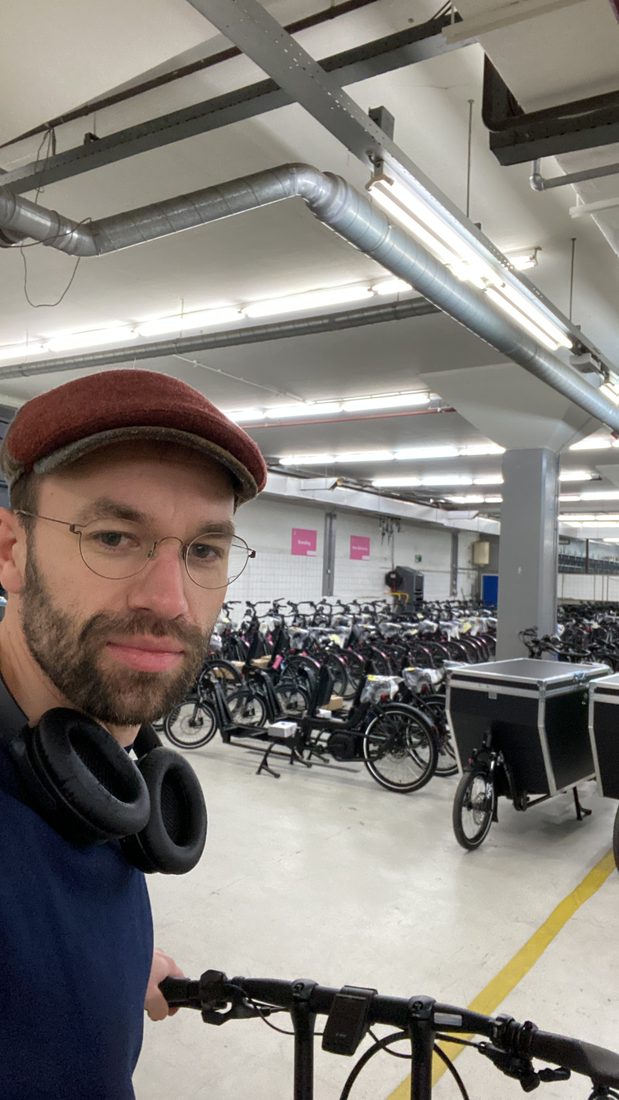
At 750 bikes across two countries, maintenance cost compounds fast. A component that fails more than it should — or a working practice that adds unnecessary labour — multiplies across every bike in the fleet. Small inefficiencies become large budget lines.
DOCKR needed a systematic approach: identify which components were driving the highest service frequency, find better specifications, and change how the team worked around those components. The goal was measurable TCO reduction without compromising rider safety or uptime.
| Component | Change made | Result |
|---|---|---|
| Brakes | Custom-spec brake pads and cargo brake system designed for fleet load and usage patterns. | −40% services |
| Tyres | Upgraded tyre specification combined with sealant fluid to reduce punctures and wear-related callouts. | −30% services |
| Front forks | Replacement fork spec for cargo load; new service interval set at 20,000 km. | 0 to date |
| Hubs | Replaced with an internally geared, auto-shifting hub at ~1/10th the cost — serviceable in the field, where the old unit had to be replaced outright. | ~10× cheaper |
Every point matters
A 40% reduction in brake services across 750 bikes is not marginal — it translates directly into mechanic hours saved, parts costs avoided, and bikes kept on the road rather than in the workshop. Multiplied across a two-country fleet, the cumulative saving is substantial.
Repairable beats disposable
The original hub was neither cost-effective nor serviceable — when it failed, it was replaced entirely. The new internally geared hub shifts automatically, costs nearly ten times less per unit, and can be serviced rather than discarded. Across 750 bikes that difference compounds into a significant annual saving.