Bike nerd.
Compulsive
problem solver.
19 years in the cycling industry. From bicycle mechanic to product-development lead — building things nobody asked for and fixing problems before anyone noticed them.
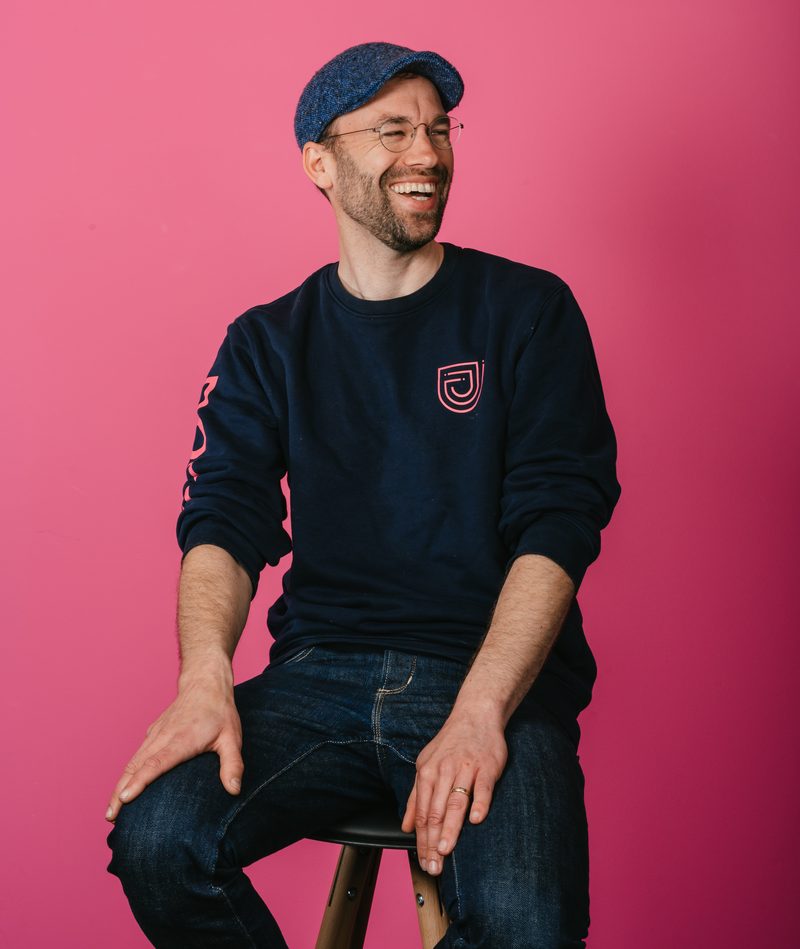
I drew my first bike at four years old. I haven't really stopped since.
I started as a bicycle mechanic — the kind where you work down to the last pawl in a freewheel hub and learn exactly why everything is the way it is. That foundation has never left me. Every design decision I make is informed by someone who has actually taken the thing apart.
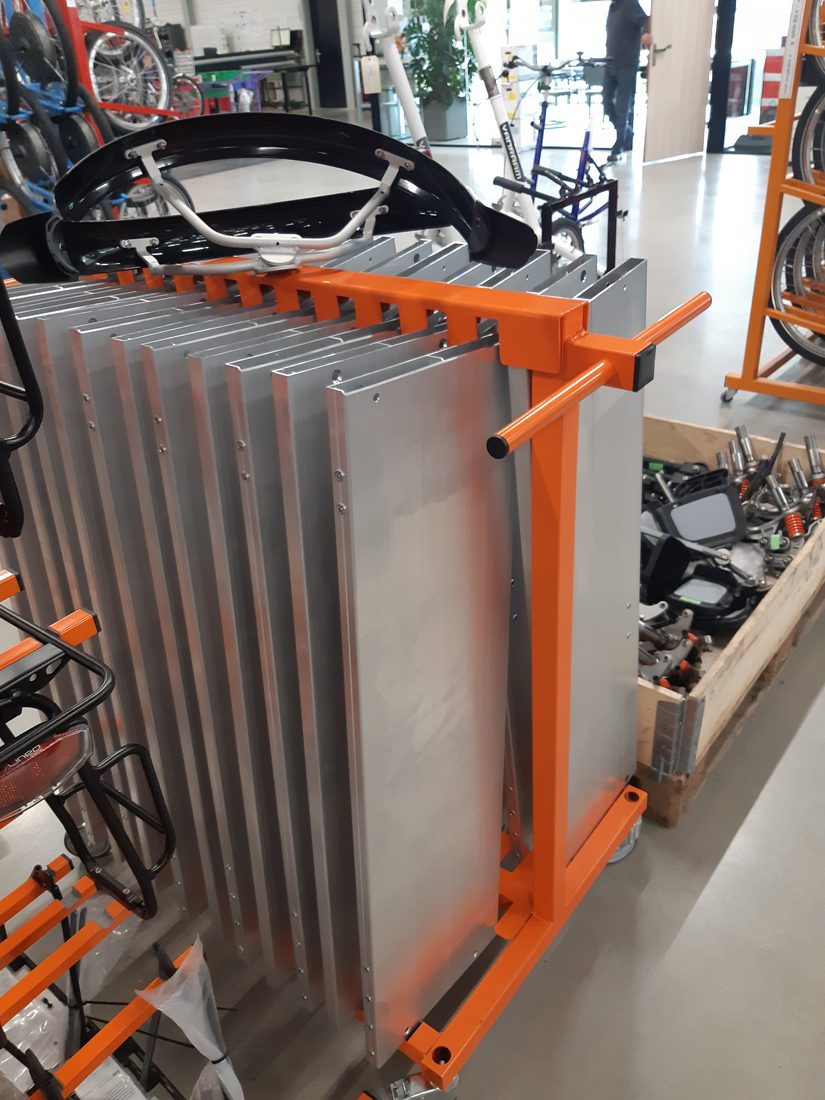
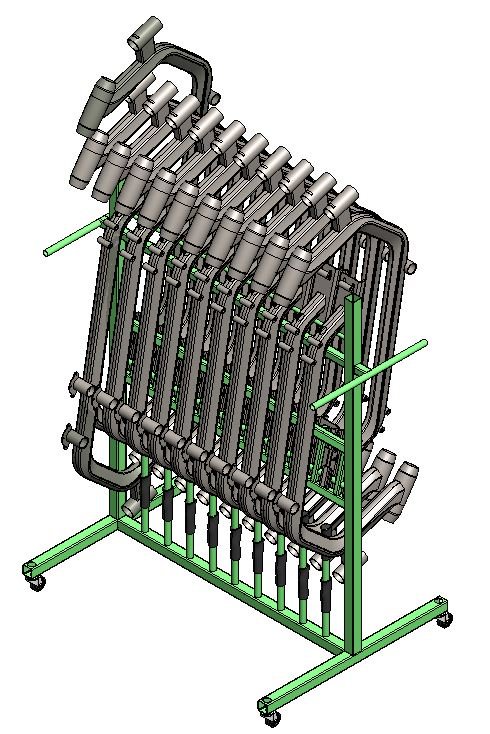
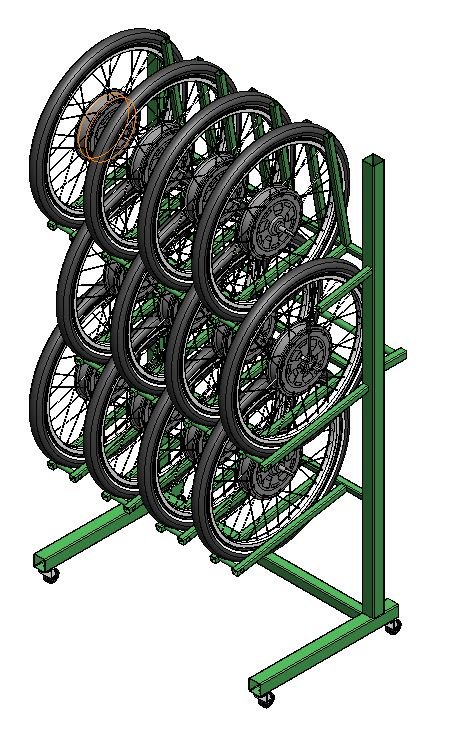
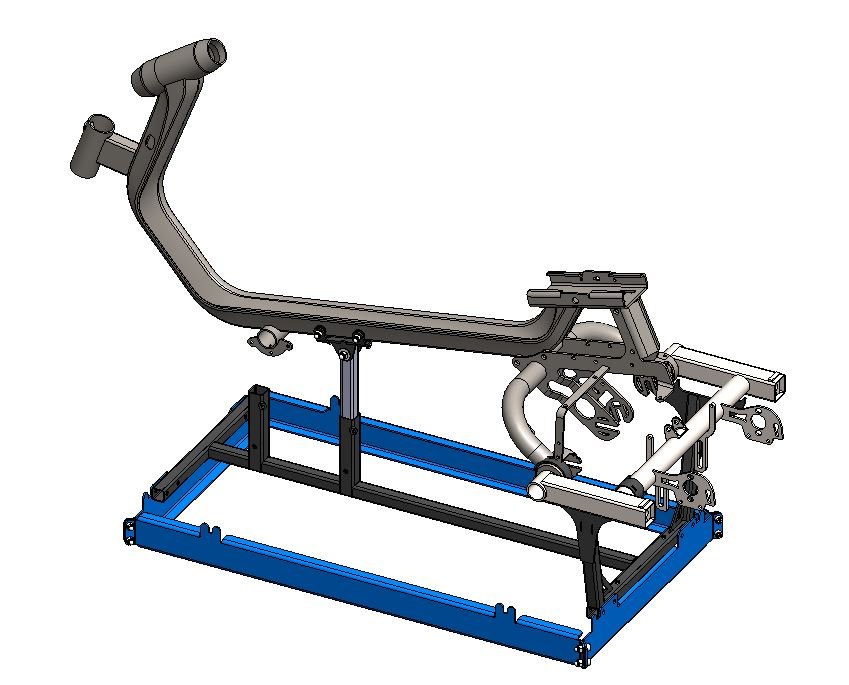
Before starting Collocycle I spent two years at Van Raam as an assembly engineer, responsible for scaling bicycle-model production. I assembled prototypes, helped develop production processes, and designed all the bespoke warehouse wagons used across their assembly and production halls. Those wagons are still in use today.
Van Raam builds adaptive and special-needs bicycles — complex, highly customised vehicles where tolerances and function matter enormously. It sharpened an already precise way of thinking about how things go together and why.
I now specialise in last-mile delivery and shared cargo mobility — designing vehicles, components and systems that are built to last, cost less to run, and leave less behind when they're done.
That means industrial design and product development, but also the unglamorous stuff: requirements engineering, component specification, supplier sourcing, maintenance logic, pricing models, and the occasional database that nobody else wanted to build.
I work with operators, manufacturers and startups. Sometimes I'm brought in for a specific project. Sometimes I end up redesigning how the whole business thinks about a problem. Both are fine by me.
New isn't always better. A cargo bike that can be serviced, upgraded and kept running for ten years is more sustainable — and more economical — than one that gets replaced at the first sign of wear.
I design with repairability in mind from the start, and I actively look for components that extend the useful life of a vehicle rather than shortening the replacement cycle. If something can be fixed rather than thrown away, that's always the right answer.
Before full-time product development, I spent time as a bicycle mechanic coaching people with autism and others with a distance to the regular job market. Teaching someone to strip and rebuild a hub when conventional education hasn't worked for them takes patience, creativity, and the ability to meet people where they are.
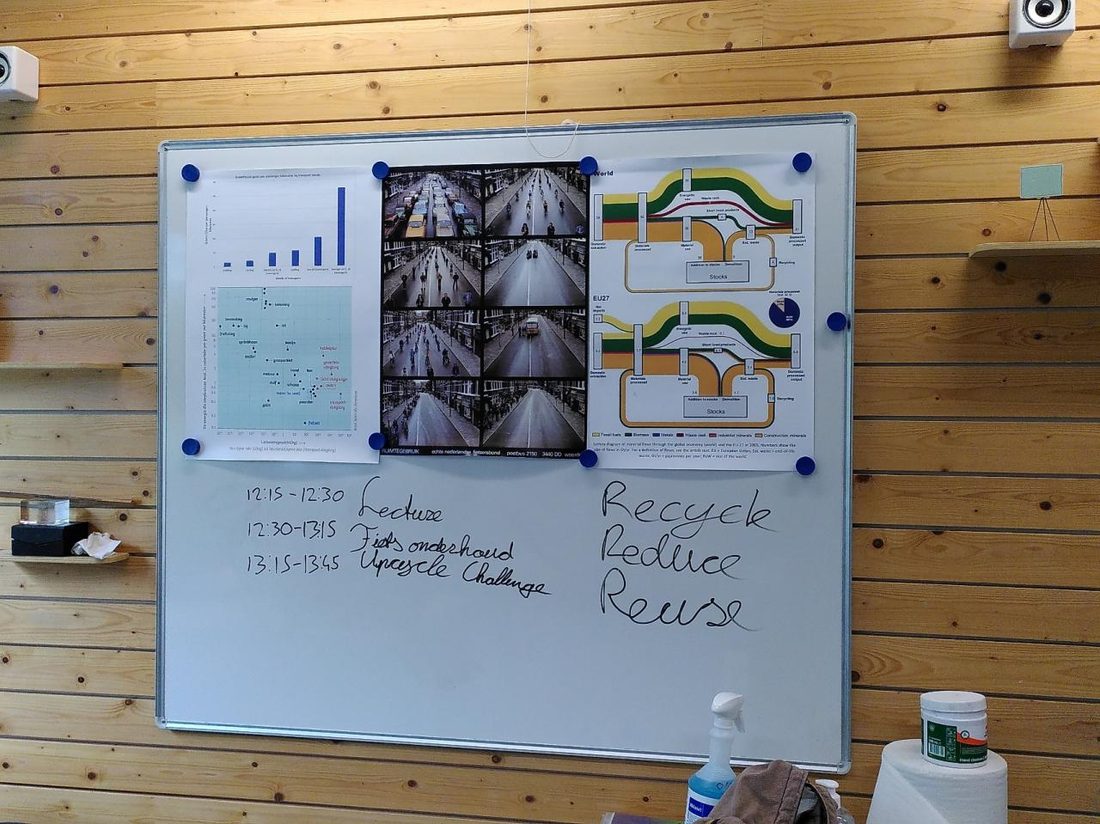
For two years I also ran a monthly “Recycle” workshop at a secondary school. I'd give a lecture on the R-ladder — refuse, reduce, reuse, repair, recycle — and talk to teenagers about resource and energy use. Then we'd put it into practice: teaching them to maintain and repair their own bicycles. It was part of a wider sustainability day that opened with a theatre show about our environmental predicament by Theater Piepschuim from Nijmegen, alongside other hands-on workshops.
It's not something that appears on most engineering CVs. But it shaped how I collaborate, how I explain complex things, and how I think about the people who actually use the products I design — not just the spec sheet.